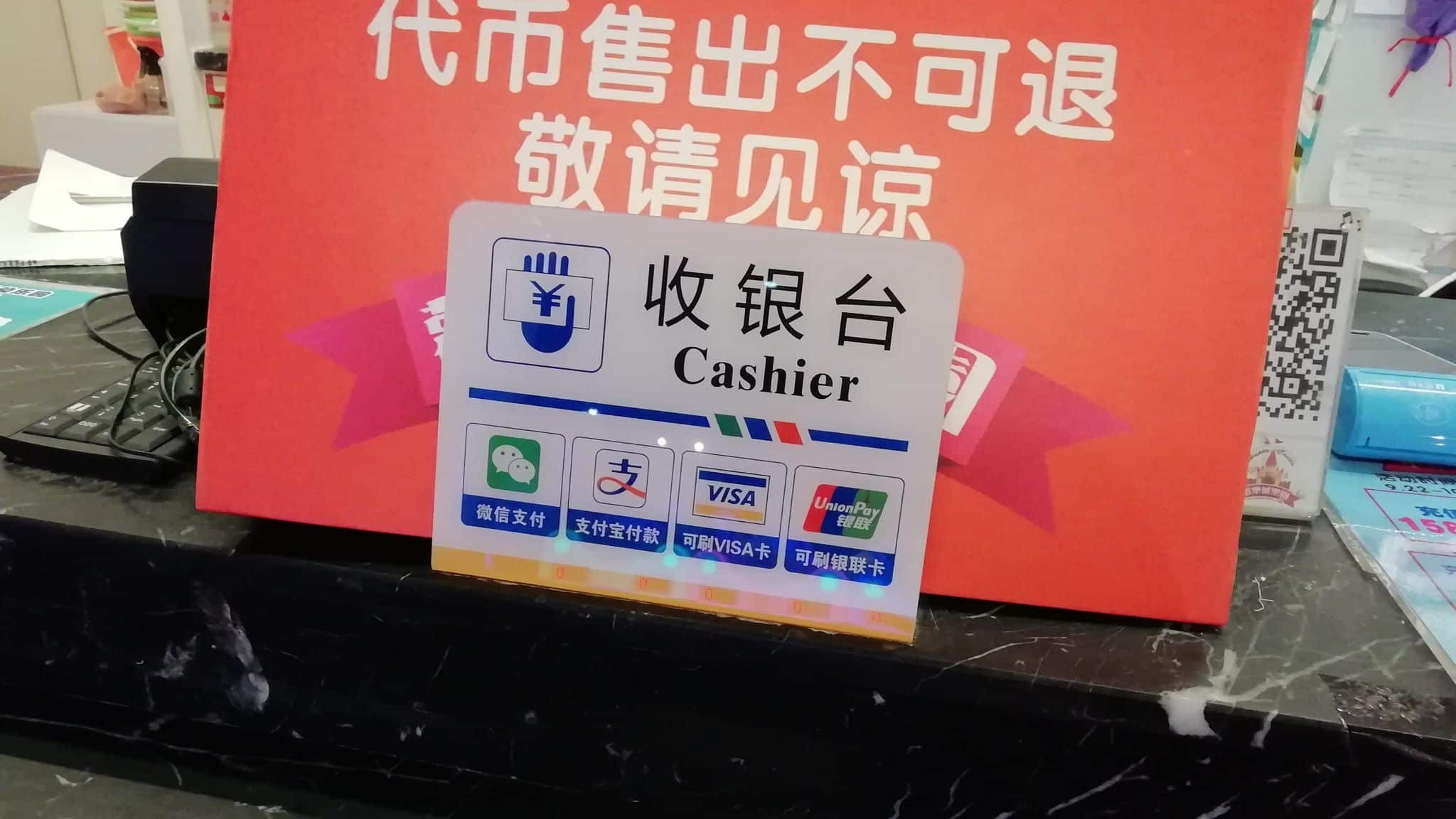
Tenpay told a People’s Bank of China press briefing in Shenzhen on October 23 that 60 foreign wallets, PayPal and ShopeePay among them, can now pay at WeChat Pay merchants in China. India has gone the other way. Its government has kept the Alipay+ link to UPI on hold since at least early September. The WeChat Pay foreign wallets gateway shows that the data-control objection India raised has a technical answer, which leaves politics as the obstacle.
How WeChat Pay foreign wallets reach Chinese merchants
A visiting ShopeePay user does not download anything new. Tenpay routes the payment through China’s cross-border QR gateway, working with TenPay Global, UnionPay International and NetsUnion, the clearing house for non-bank payments. The visitor scans a WeChat Pay code with a familiar app, and the transaction clears through Chinese infrastructure before it reaches the merchant. Cards from seven international networks, including Visa and Mastercard, can also be linked to WeChat.
Demand is rising fast. WeChat Pay data show foreign wallet spending in China rose 80.6% by value in the first eight months of 2026, with transaction numbers up 81.8%. On September 24 Tencent launched TenPayGo, an app for short-term visitors that accepts international cards, Apple Pay and foreign wallets in one place. At launch, WeChat Pay counted nearly 60 wallets from 16 countries and regions. TenPayGo itself started with a first batch that includes Starryblu and expects to carry about 60 by the end of the year, in time for the APEC meetings in Shenzhen.
China routed foreign wallets through a domestic gateway and a domestic clearing house, so Chinese infrastructure sees and settles every payment. A foreign wallet operator gets access to tens of millions of merchants, and Chinese clearing infrastructure keeps the transaction record.
India’s objection to Alipay+
Reuters reported on September 3 that Alipay+ had proposed the link in January. The first phase would have let Indian travellers pay with UPI at more than 150 million merchants in the Alipay+ network across China, Hong Kong and other parts of Asia. The second would have let foreign visitors pay with Alipay+ wallets in India. Alipay+ connects about 1.8 billion user accounts, according to Reuters’ February report on the talks. According to Reuters’ sources, the foreign ministry cited “political grounds”, law enforcement agencies raised money-laundering and data-breach risks, and there was no clear path to approval. One source said every bilateral payment link is checked for how data is stored and how disputes are handled, but that the checks are much tougher for China-linked firms.
India restricted Chinese investment after the 2020 border clash, and Ant spent the following years selling down Paytm. Reuters noted that India eased some of those restrictions in March 2026, but that financial services remain closely guarded. Alipay+ is now operated by Ant International, which was spun out of Ant Group as an independent Singapore company in 2024.
What India gives up
UPI handled 24.07 billion transactions worth Rs 29.37 trillion in September, up 22.6% on a year earlier, and NPCI has been selling the rail abroad for years. GL Insight looked at that overseas push last year. Alipay+ would have given Indian travellers acceptance across China and much of Asia in one agreement, the kind of reach NPCI otherwise builds one country at a time.
The inbound phase raises the same data question China has already answered. If India wanted to keep transaction data at home, it could route Alipay+ payments through an NPCI gateway, the same structure Tenpay uses with NetsUnion. The concern Reuters’ sources described, about where data is stored and how disputes are resolved, is the kind of problem a gateway contract addresses. The foreign ministry’s political objection is a separate matter, and no gateway design resolves that.
Bottom line
China is treating foreign wallets as a way to win visitor spending, and it has kept control by placing its own clearing infrastructure between the wallet and the merchant. India has the same tools and has chosen not to use them for a China-linked wallet. For now, Indian travellers in China depend on cards and on whatever wallets WeChat Pay and Alipay accept. More coverage sits on our wallets and QR payments hub.
Watch for:
- How many wallets TenPayGo carries by December, and whether any Indian app is among them
- Any statement from NPCI or the Reserve Bank of India on the Alipay+ proposal
- Foreign wallet spending figures from China around the APEC meetings in Shenzhen