
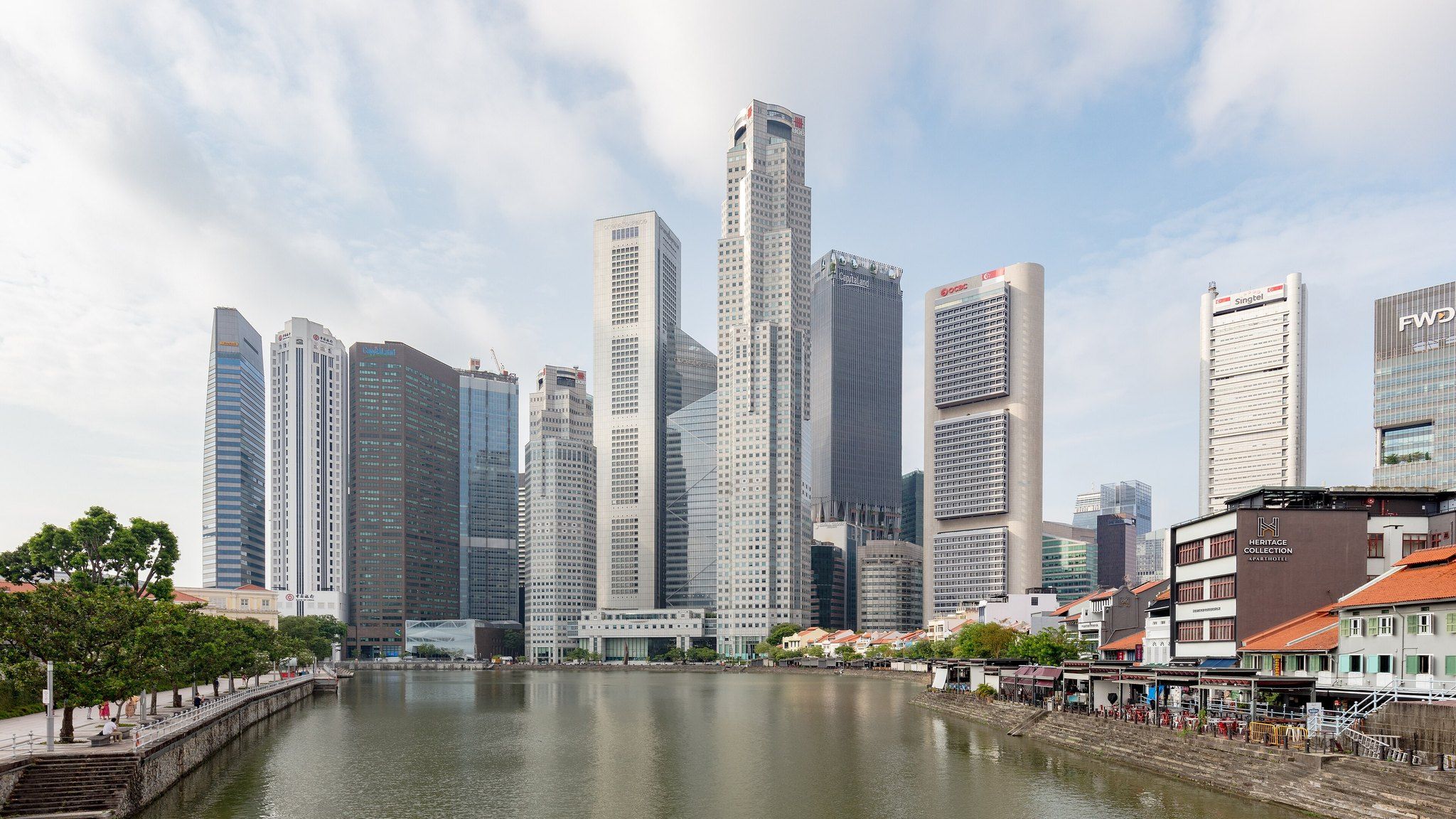
Bank Negara Malaysia and the Bank of Thailand joined the MAS BLOOM initiative as policymaker members on October 23, and nine new participants signed up alongside them, including Visa, Mastercard, Ripple and the World Bank Group. A year after launch, BLOOM now has three central banks and 24 industry members working on how tokenised deposits and regulated stablecoins settle across borders. The networks joined because the settlement rules for Southeast Asia’s digital money are being drafted in this room, and none of them wants a corridor built around a competitor’s rail.
From a Singapore project to a regional MAS BLOOM initiative
MAS launched BLOOM on October 16, 2025 as a domestic follow-on to Project Orchid, which ran more than 10 trials of programmable digital Singapore dollars from 2021. Its founding members included DBS, OCBC and UOB, alongside Circle, StraitsX, Coinbase, Stripe and Ant International. The early workstreams were narrow, covering distribution and clearing of settlement assets, programmable compliance checks and agentic payments.
The October release turns that into a cross-border programme. Participants now work on three questions: how a bank in one country accepts a digital money issued in another, how different token arrangements interoperate across networks, and how controls such as identity checks and sanctions screening travel with a transaction. The stated payoff is fewer bilateral contracts. MAS says BLOOM should spare institutions from building separate arrangements with every counterparty and market, which it expects to cut implementation costs and shorten time to market.
Malaysia and Thailand are the obvious first partners. Singapore’s PayNow was linked to Thailand’s PromptPay in April 2021, the first link between two real-time payment systems, and to Malaysia’s DuitNow in November 2023. All three central banks also sit in Project Nexus with India and the Philippines. BLOOM adds tokenised settlement to corridors that already carry retail traffic.
What the card networks and Ripple want from BLOOM
Each newcomer brings a settlement asset or a network it wants recognised. Mastercard closed its purchase of BVNK in August and now sells stablecoin accounts and payouts to banks. Visa has been repositioning itself as a settler of tokens it does not issue. Ripple issues RLUSD and won a conditional OCC charter for a national trust bank last December.
If MAS, Bank Negara and the Bank of Thailand agree common acceptance and interoperability rules, those rules will decide which tokens a Maybank or Kasikornbank treasury desk can take without a separate legal review. A firm outside the forum would have to fit standards written by its competitors. Airwallex and Nium, which run cross-border payouts for businesses, have the same reason to join, and ShopeePay adds a consumer wallet.
The membership also gives each new central bank a home bank in the room. Kasikornbank was already a member, and Maybank joined on October 23. The World Bank Group, according to MAS, will bring the needs of developing economies, which matters if BLOOM’s rules are later offered to countries without Singapore’s supervisory capacity.
Thailand set the pace with one word
The central banks did not sound equally keen. Bank Negara’s deputy governor, Aznan Abdul Aziz, called multi-currency digital payments “closer to a tangible reality than a far-fetched fantasy.” The Bank of Thailand’s Daranee Saeju spoke of informing regulatory approaches for tokenised money “particularly in cross-border payments and wholesale settlement”, with oversight that stays “prudent, proportionate”. Taken at its word, the Bank of Thailand expects the first corridors to involve bank-to-bank settlement in tokenised deposits, with consumer stablecoin payments further back.
The release gives no currency pair, no pilot date and no volume target. Banks and payment firms deciding which BLOOM workstream to join, or which settlement asset to back, can commission that analysis through GL Insight’s research projects.
Bottom line
BLOOM has become the forum where Singapore, Malaysia and Thailand will set the terms for tokenised cross-border settlement, and the card networks and Ripple joined to make sure their rails qualify. The membership list has grown faster than the work, and Thailand’s emphasis on wholesale settlement suggests the first results will come from bank treasury desks long before they reach a checkout page. Earlier coverage is on our cross-border payments hub.
Watch for:
- The first BLOOM trial involving the ringgit or the baht, and which banks run it
- Whether a regulated stablecoin is accepted for settlement in a Malaysian or Thai corridor
- BLOOM announcements at the Singapore FinTech Festival, 18 to 20 November