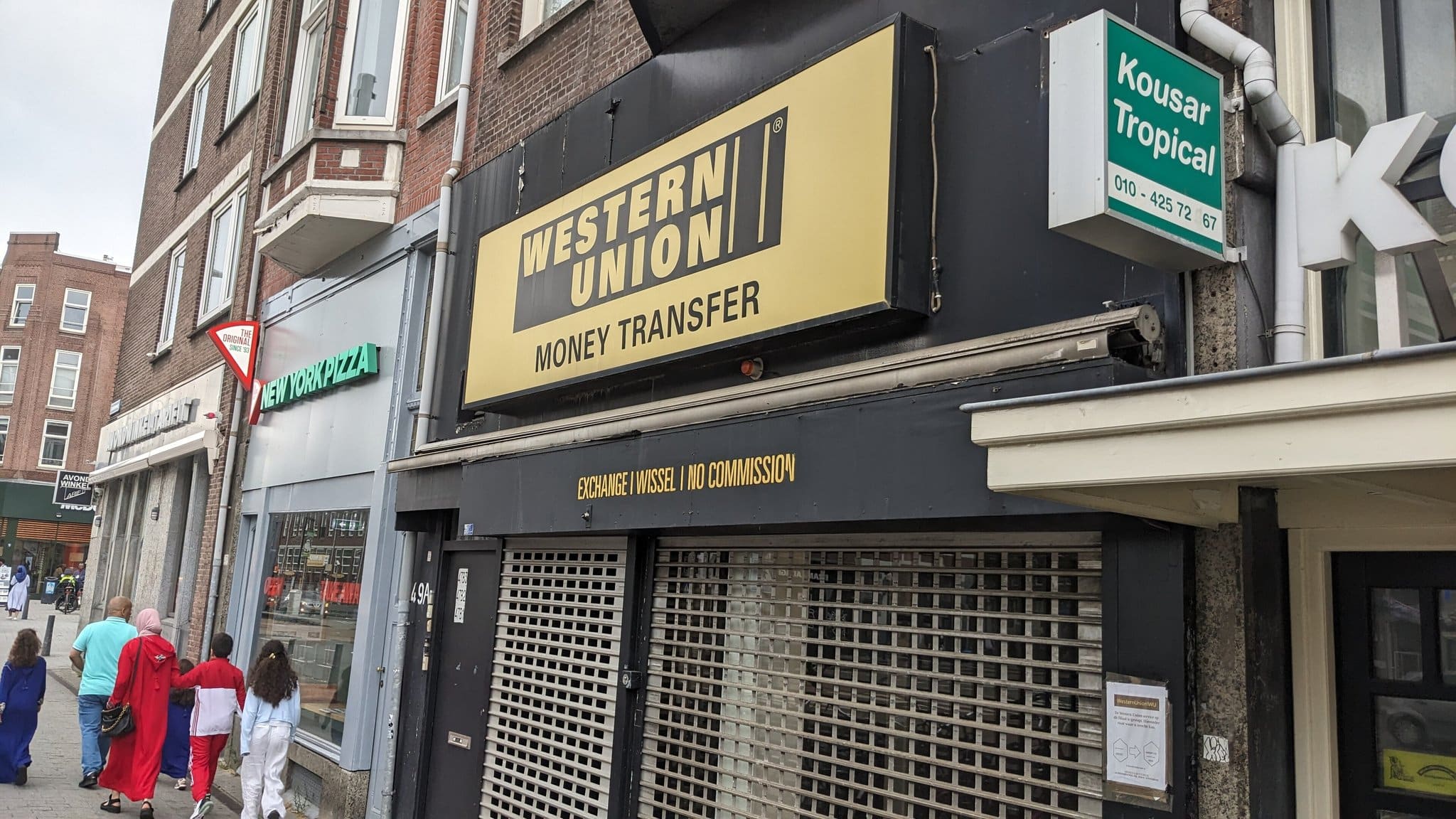
Western Union picked Noah on October 20 to run Receiver Redirect, a service that pays transfers into a Western Union wallet as USDPT, the dollar stablecoin Anchorage Digital Bank issues for it on Solana. The release promises more than 60 currencies, more than 200 countries and territories and lower costs, but gives no launch date, markets or fee schedule. Western Union stablecoin payouts move the receiver’s cost from the transfer to the cash-out, and Western Union has not published that number.
Western Union stablecoin payouts were built in stages
USDPT launched on May 4 as a settlement asset between Western Union, its agents and licensed exchanges, issued by Anchorage Digital Bank, a federally chartered bank. The consumer wallet, Stable by Western Union, was set to start in June in Mexico, Argentina, Colombia and the Philippines, Anchorage said at launch. In August Western Union launched Stablecard, a Visa card issued by Rain that spends USDPT held in a wallet, live in 37 markets with more than 60 targeted by year-end. Receiver Redirect joins the two. A sender pays at one of Western Union’s more than half a million agent locations, and the money arrives as USDPT instead of local currency, according to Noah, whose release counts more than 150 million Western Union customers.
Noah supplies the licences and treasury to prefund, convert and pay out USDPT. Its release puts global remittances at US$905 billion a year and cites World Bank data for bank fees of 6%. The World Bank’s latest global average for sending money is 6.36% of the amount sent, a figure that includes the exchange-rate margin as well as the fee.
The cost moves to the cash-out
A receiver who gets USDPT has three choices in Western Union’s own materials: hold it, spend it on the Visa card, or turn it into local cash at an ATM or a Western Union location. The Stablecard page promises “no hidden fees” and local-currency cash at Visa ATMs, but lists no exchange rate, ATM fee or markup on card spending. Each of those steps converts dollars into pesos, naira or rupees at a rate somebody in the chain sets.
For a receiver, the useful comparison sets the full cost of a cash transfer today against the send fee plus every later conversion. Where the local currency is stable and mobile money is cheap, the stablecoin route adds a step. Where the currency is weak, holding dollars is the benefit, and the Stablecard release names receivers “in markets where local currencies frequently fluctuate” as the target. GL Insight found mobile-money and stablecoin rails cutting intra-African remittance costs to 1% to 3%, against 7% to 9% through banks, and Western Union has published nothing comparable for its own corridors.
Who earns the float
The holder earns nothing. Stablecard “does not offer interest”, in line with the GENIUS Act ban on issuers paying yield, which the OCC’s final rule puts into effect from January 18, 2027. The reserves behind USDPT sit in “bank deposits, U.S. Treasury bills, and other cash equivalents”, so idle balances earn a return for someone. Western Union and Anchorage have not said how that income is shared, the arrangement GL Insight examined in its post on the OUSD reserve split.
Western Union also gains from balances it used to pass straight through. Its May release says agent settlement in USDPT will “reduce idle balances” across the network, and the issuer says pre-funding destination markets “ties up significant amounts of working capital”. A receiver who holds USDPT instead of collecting cash leaves value inside Western Union’s wallet for longer. The more receivers hold, the more the business looks like a deposit franchise without a banking licence. Mastercard went a similar way by buying BVNK to run stablecoin payouts on its own network.
Regulation at the receiving end is the other unknown. A US dollar stablecoin arriving in a foreign wallet has to be accepted by the receiving country’s rules, and four regulators are already deciding which foreign coins count.
Bottom line
Receiver Redirect could make Western Union a dollar wallet for its receivers, but until it publishes exchange rates and cash-out fees by market, nobody can tell whether a stablecoin payout costs less than cash in hand. More cross-border payments coverage sits on the GL Insight hub.
Watch for:
- A Receiver Redirect launch date and its first markets
- A published schedule of Stablecard exchange rates and cash-out fees
- Which receiving countries accept USDPT payouts under their own rules