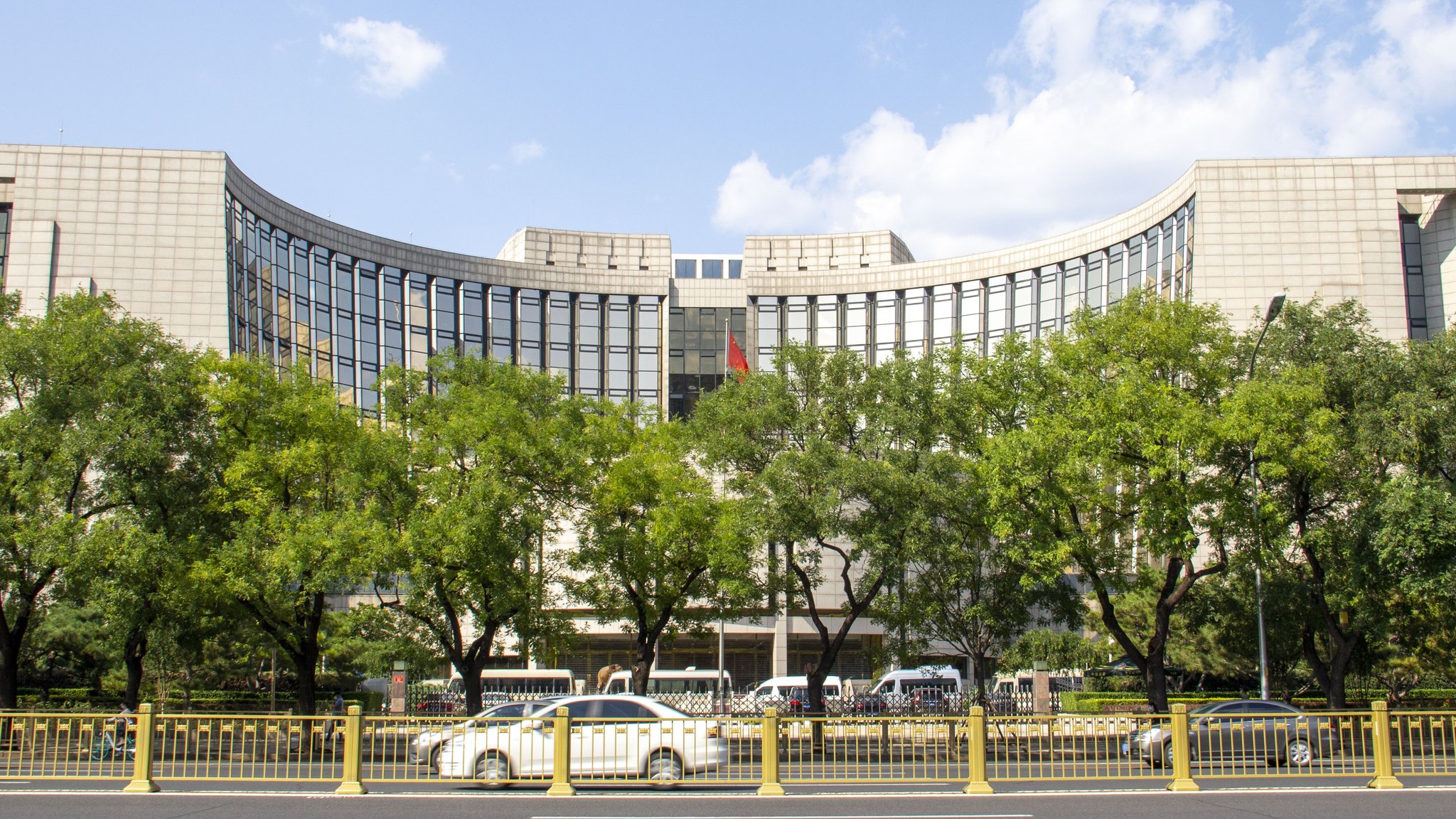
The People’s Bank of China approved Visa’s Beijing subsidiary on October 13 to prepare a domestic bank card clearing institution, with one year to finish before it may apply to operate, China Daily reported. Sixteen days later Visa signed a memorandum with Tencent covering Weixin Pay. A Visa China clearing licence is years from earning money in a market that pays by phone, while the Tencent deal widens a remittance route into Weixin Pay that the two companies already run.
What the Visa China clearing approval allows
Visa calls the decision approval of its Application to Prepare, the step that lets it begin formal preparations for a domestic clearing business. According to Xinhua’s report, the subsidiary, Visa Information Technology (Beijing), must complete those preparations within a year, and a licence follows only after the PBOC and the National Financial Regulatory Administration jointly approve. Until then Visa may clear card payments in China only in foreign currencies.
The licence would let Visa issue renminbi cards under its own brand and clear them for domestic banks. China Daily counts three licensed clearing institutions today: China UnionPay and the local entities of American Express and Mastercard. Visa’s cards in China now carry two brands, with UnionPay processing the domestic transaction and Visa the overseas one, CNBC reports.
The timing was political. President Trump said he raised Visa’s request on his Beijing trip in May, and Visa chief executive Ryan McInerney became chair of the US-China Business Council in June. A US Treasury official later told CNBC the approvals formed part of an agreement Trump and Xi Jinping reached in September. A licence that moves with trade talks can stall with them too, which puts political risk on the one-year clock.
The precedents are slow
Visa first applied in May 2020, according to CNBC’s report, so it waited more than six years for the preparation stage alone. American Express received its nod in 2018 and its processing licence in June 2020. Mastercard’s joint venture got approval to prepare in February 2020 and began processing in 2024. At the American Express pace Visa would clear renminbi in 2028, and at Mastercard’s pace closer to 2030.
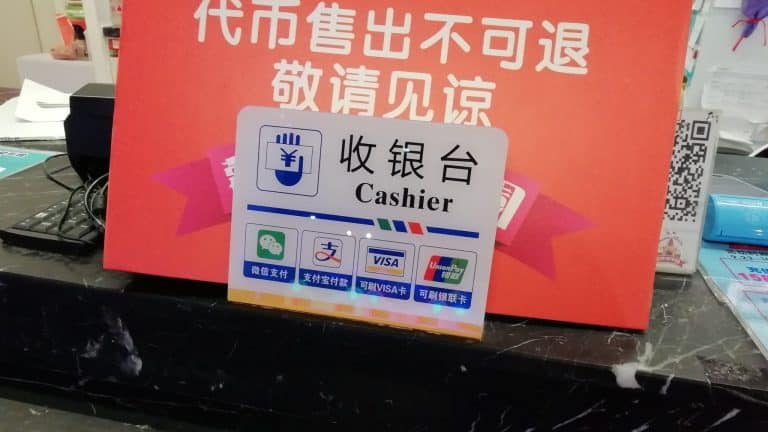
The market it would enter has also moved. CNBC writes that mobile payments dominate daily consumer transactions, run mainly through Weixin Pay and Ant’s Alipay. A domestic licence gives Visa the card leg UnionPay clears today, in a country where daily purchases run through phones. The PBOC, meanwhile, is recruiting foreign banks into a 24/7 e-CNY network, another rail Visa does not run.
The Tencent deal works on cross-border flows
The Tencent release of October 29 lists three strands. TenPay Global and Visa Pay would serve travellers in both directions at merchants on the Weixin Pay and Visa networks, “in line with applicable regulatory requirements”. Both companies plan to “deepen their cross-border remittance collaboration through Visa Direct”, so more overseas senders can pay into Weixin Pay. A third strand covers AI agents and agentic commerce. The memorandum is an agreement to explore, and it publishes no fees, corridors or dates.
The travel strand fits Visa’s earnings. Cross-border volume outside Europe, which Visa says drives its international transaction revenue, rose 14% in the quarter to September 30, and that revenue grew 8% to $4.1 billion, its fourth-quarter results show. A visitor who pays a Weixin Pay merchant with a Visa card issued abroad creates that kind of volume, and Visa needs no renminbi licence to earn on it. Remittances add Visa Direct flows into wallets, a business the memorandum describes only in outline.
Tencent keeps its options open. Weixin Pay already accepts about 60 foreign wallets at its merchants, and its Midas platform announced a deal with Mastercard last December, CNBC reported. Cross-border wallet links keep multiplying, from Hong Kong’s Payment Connect switch to direct deals with card networks. Visa is one inbound partner among several, and its value to Tencent is the Visa Direct reach into banks and wallets abroad.
Bottom line
The clearing approval gives Visa a place in domestic Chinese card payments by the end of the decade, against a QR-first market and a UnionPay that already processes its dual-branded cards. The Tencent memorandum earns sooner, because remittances and travel spending pay Visa cross-border fees with no domestic licence. More cards and networks coverage sits on the GL Insight hub.
Watch for:
- Visa’s application to commence operations, due by October 2027
- Corridors and pricing for Visa Direct transfers into Weixin Pay
- Any move by Chinese issuers to replace UnionPay on dual-branded Visa cards