
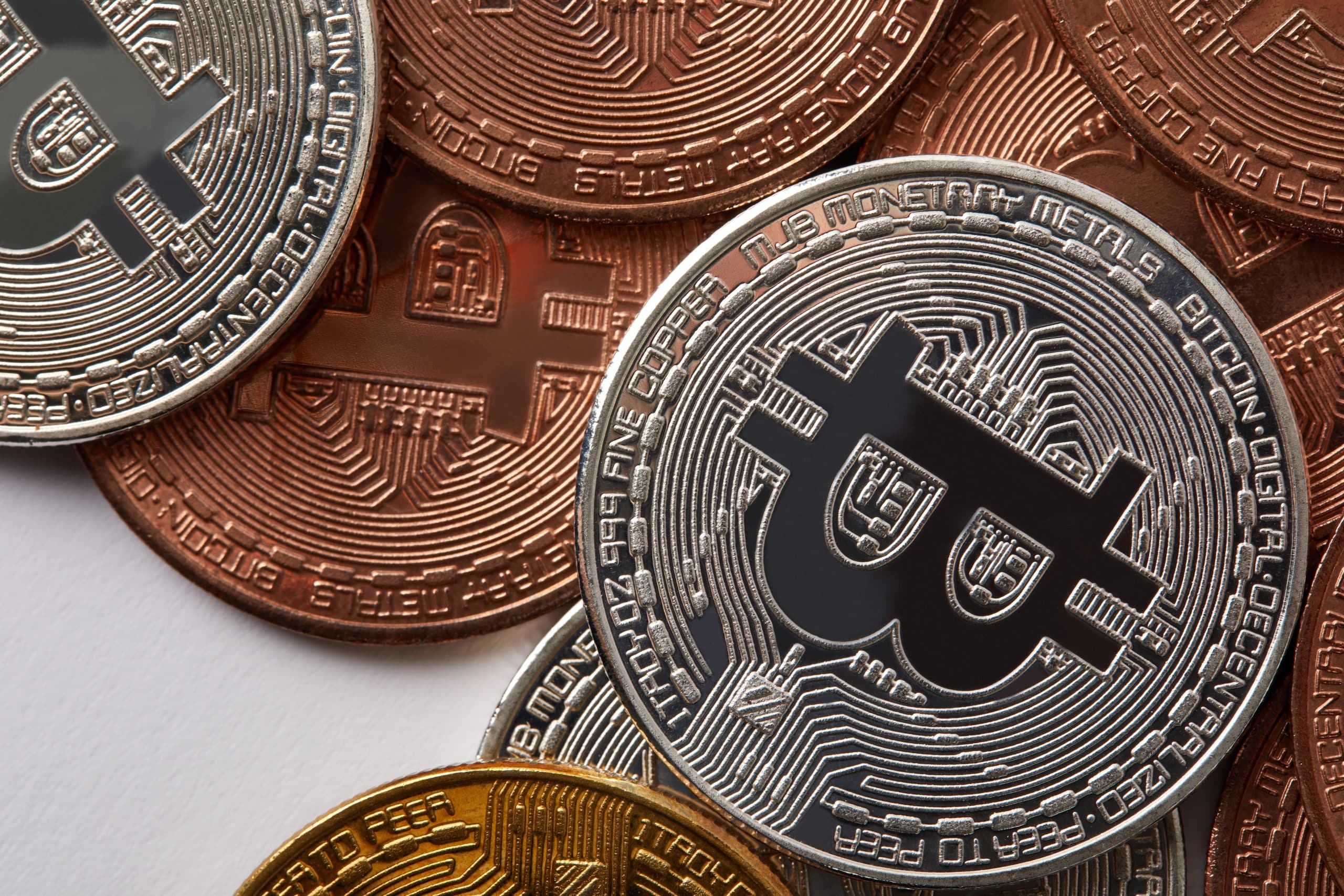
Three small open economies have announced sovereign Bitcoin programmes. None of the three is currently buying Bitcoin. El Salvador stopped purchases in February 2025 under its $1.4 billion IMF deal. Bhutan has sold roughly $1 billion in BTC over the past eighteen months. Pakistan’s Strategic Bitcoin Reserve, unveiled at Bitcoin 2025 in Las Vegas, has no funded balance sheet and is contradicted by the State Bank of Pakistan.
The announcement is the policy product. The balance sheet is separate.
Pakistan and El Salvador: where the actual reserves stand
Bilal Bin Saqib, CEO of the Pakistan Crypto Council and Special Assistant to the Prime Minister on Crypto, announced the country’s National Bitcoin Wallet at Bitcoin 2025 on 28 May 2025. The reserve holds crypto already in state custody, meaning seized or forfeited holdings rather than fresh appropriation. No wallet address has been disclosed. Within 48 hours, Finance Secretary Imdadullah Bosal and the State Bank of Pakistan told a National Assembly committee that cryptocurrency remains banned. DAWN’s headline read “Crypto policy in disarray.” The IMF rejected a separate Pakistan proposal to subsidise 2,000 MW of power for Bitcoin mining in July 2025, but did not block the reserve announcement. The third Extended Fund Facility review completed on 8 May 2026 with a roughly $1.1 billion disbursement under the EFF and a further $220 million under the Resilience and Sustainability Facility.
El Salvador’s Bitcoin Office, run by Stacy Herbert, continues to report holdings of roughly 7,663 BTC and posts daily purchase tweets. The IMF Country Report 25/58 and the July 2025 review confirmed that the El Salvador public sector has not bought new BTC since February 2025. On-chain “additions” reflect wallet consolidation. The disclosure came in a letter signed by central bank president Douglas Pablo Rodriguez Fuentes and finance minister Jerson Rogelio Posada Molina. The $1.4 billion IMF deal signed in December 2024 also stripped the legal-tender status, ended tax payments in BTC, and wound down the Chivo wallet. The headline reserve has held steady. The accumulation programme has not.
Bhutan was the only real holder, and it is selling
Bhutan’s Druk Holding & Investments mined Bitcoin quietly using surplus hydropower from 2019 onward. Arkham Intelligence tagged DHI’s wallets in September 2024 at roughly 13,000 BTC, worth around $780 million at the time, sourced from mining rather than seizure. As of May 2026, the same Arkham-tracked wallets hold around 3,100 BTC. The 70% drawdown represents roughly $1 billion moved out of DHI custody, with $215 million in outflows in 2026 alone going partly to wallets previously used to route funds for sale via Galaxy Digital and OKX. DHI CEO Ujjwal Deep Dahal disputes the framing and told CoinDesk he does not recall recent sales. The on-chain pattern is consistent with disposals, whether outright or via collateralisation. Bhutan, the only EM sovereign with a real Bitcoin balance sheet, is reducing it.
The IMF has not punished any of the three for the existence of a sovereign BTC programme. It extracted concessions from El Salvador on legal tender and forced acceptance, rejected the Pakistan mining-subsidy proposal on fiscal grounds rather than crypto grounds, and has no current lending programme with Bhutan. Across all three cases, the IMF has tolerated the signal as long as the balance sheet stays clean. The Bukele administration’s daily-purchase tweets continue in parallel with the IMF letter; the signalling and the supervision run on separate tracks, and the Fund appears comfortable with that arrangement.
The signal is the product
Central African Republic adopted Bitcoin as legal tender in April 2022 and repealed it unanimously in March 2023 under IMF and BEAC pressure. That is the only formal reversal. Every subsequent EM sovereign Bitcoin announcement has been calibrated to extract domestic political value without triggering an IMF stop. Pakistan’s reserve sits in an interagency standoff. El Salvador’s reserve is a public-relations layer over a paused accumulation programme. Bhutan’s reserve is being liquidated quietly. None of the three programmes generated the macroeconomic effect their proponents claimed, and none was stopped from announcing the programme. Pakistan, El Salvador and Bhutan are operating inside that equilibrium, and the playbook is now available to any small economy that wants the signal without the cost.