-

Fintech investment hit $103bn in the first half. China got $149m of it.
KPMG’s Pulse of Fintech for the first half of 2026, published 25 August, counts $103.1 billion of global fintech investment across 2,100 deals, up from $72.2 billion in the second half of 2025. The Americas took $86.9 billion, the US alone $80.8 billion. Asia-Pacific fell to $4.6 billion from $7.1 billion, and within that India…
-

Singapore digital banks have the deposits and cannot find the loans
Singapore’s five digital banks filed their 2025 accounts last month, and between them the four retail and SME banks lost S$291m. GXS lost S$132m, MariBank S$55.6m, Trust Bank S$53.6m and ANEXT S$49.8m. The fifth, Green Link Digital Bank, made S$16.1m, its first profit, on a business that lends to small and medium-sized enterprises and never…
-

China digital lending platforms lost half their July volume to a collections escrow
FinVolution’s China loan volume fell by around half in July. Qfin, the largest listed facilitator, lost 15% of its July volume and has guided third-quarter profit down by two-thirds. Lexin has warned it may post a net loss for the quarter and has moved its dividend from semi-annual to annual to preserve cash. None of…
-
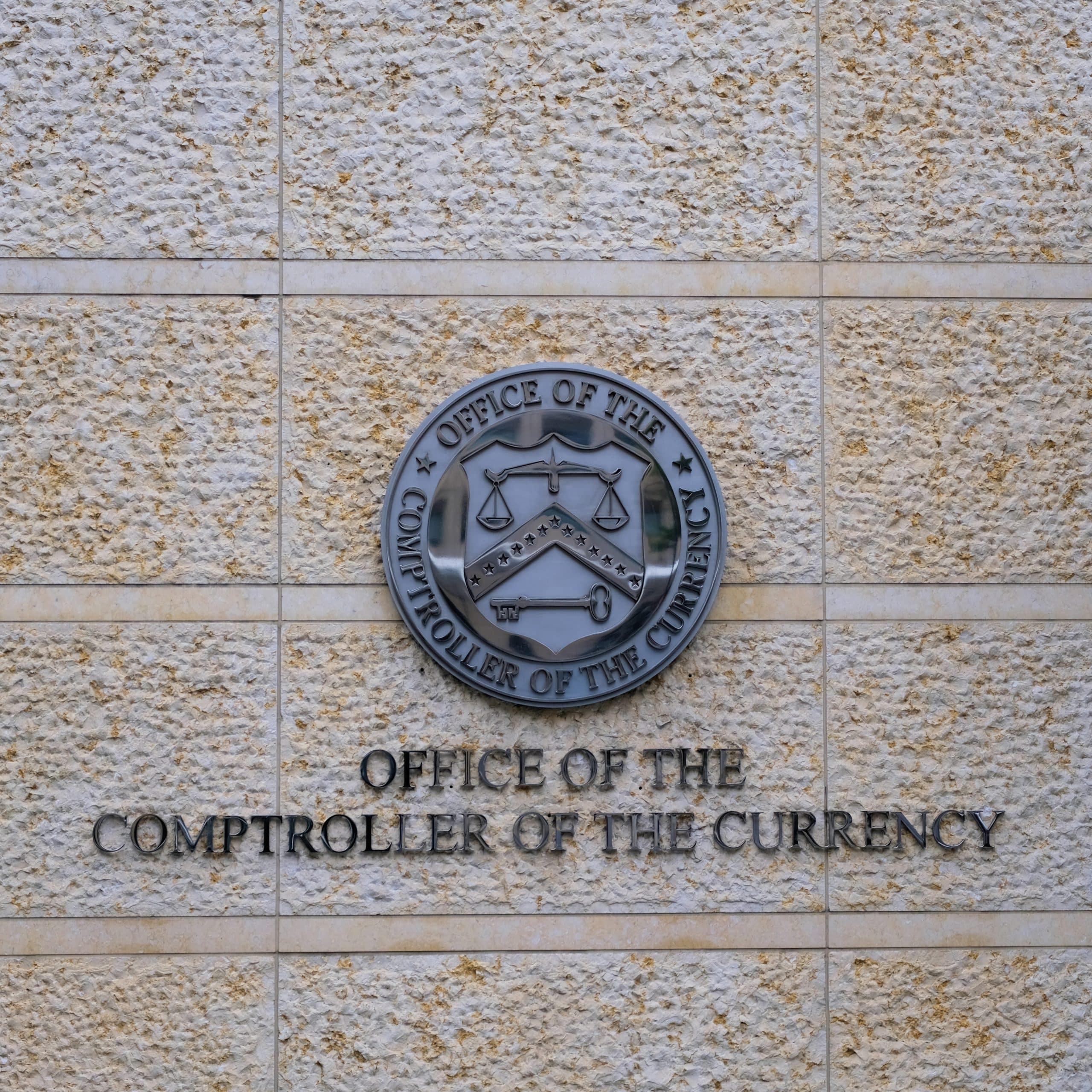
The OCC has 40 charter applications and just told Wise and bunq why theirs failed
Three European fintechs walked through the same door this summer. Wise applied for a national trust bank charter and was denied on 21 July. bunq applied for a full national bank charter and was denied on 4 August. Revolut applied for a full national bank charter in March and received preliminary conditional approval on 2…
-
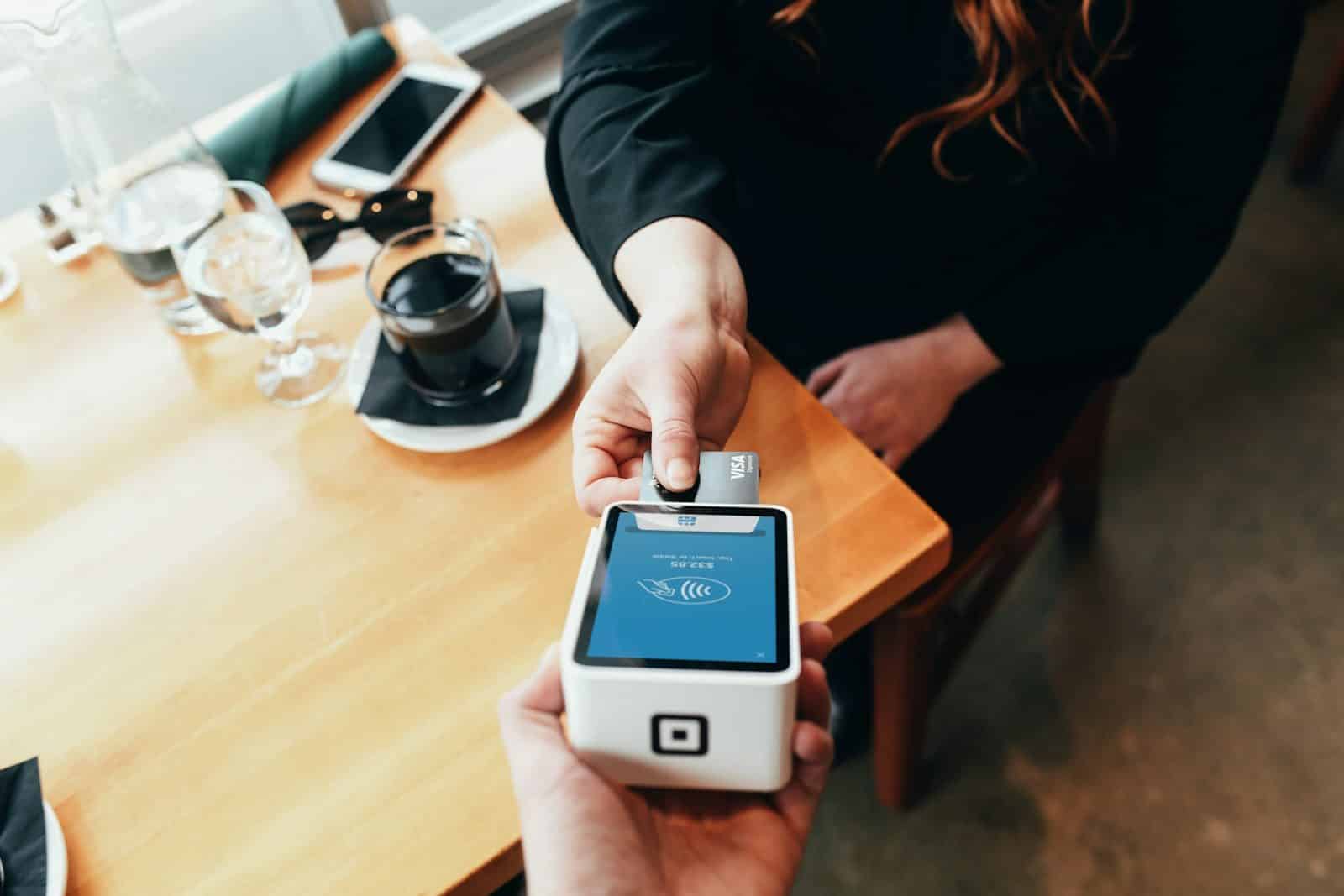
The US widened card surcharging in the year Australia banned it
From 1 October, an Australian merchant will no longer be allowed to add a fee for paying by card, and the interchange an issuer earns on a domestic consumer credit card will fall from a cap of 0.8% to 0.3%. In the United States, a settlement between Visa, Mastercard and 12 million merchants that received…
-
Four regulators are deciding which foreign stablecoins count
A dollar stablecoin that is legal to hold in one country is now, in several others, unlawful to sell. In the four weeks between 7 August and 1 September the United States, Singapore, the European Union and Japan each moved on the same question, which is what a regulator does about foreign stablecoins issued somewhere…
-

Southeast Asia Digital Lending Stopped Being An Adoption Story
For most of the past decade the question about the Southeast Asia digital lending segment was how fast it could grow. That question has been answered, and the answer was: fast, then less fast. The regional loan book went from about $62bn in 2023 to $76bn in 2024 to $90bn in 2025 — growth of…
-
The Anchorpoint stablecoin shows the consortium shape the HKMA wanted
The first stablecoin licence Hong Kong awarded went to a bank. The second one is the more revealing choice. Anchorpoint Financial, the other name on the April 10 list, is a joint venture between Standard Chartered, Hong Kong Telecommunications and Animoca Brands. The regulator picked a bank, a telco and a digital-asset firm stapled together.…
-

Singapore made its stablecoins boring, and that is the point
Singapore stablecoin rules read like a list of things a stablecoin is not allowed to be. No double-digit yields. No exotic reserves. No algorithmic peg. The framework the Monetary Authority of Singapore finalized strips out almost everything that made stablecoins exciting to crypto markets, and that subtraction is the strategy. The rules are narrow on…
-

Agentic checkout is splitting into two settlement rails
The card networks and the crypto firms are no longer fighting over the same agentic checkout payments market. They are quietly dividing it. By mid-2026, the production landscape has settled into a pattern: AI agents authorize and settle retail consumer purchases on card rails, and machine-to-machine and cross-border B2B flows increasingly settle on stablecoins. The…
